The Season for Building: Why Timing a Project Right Matters
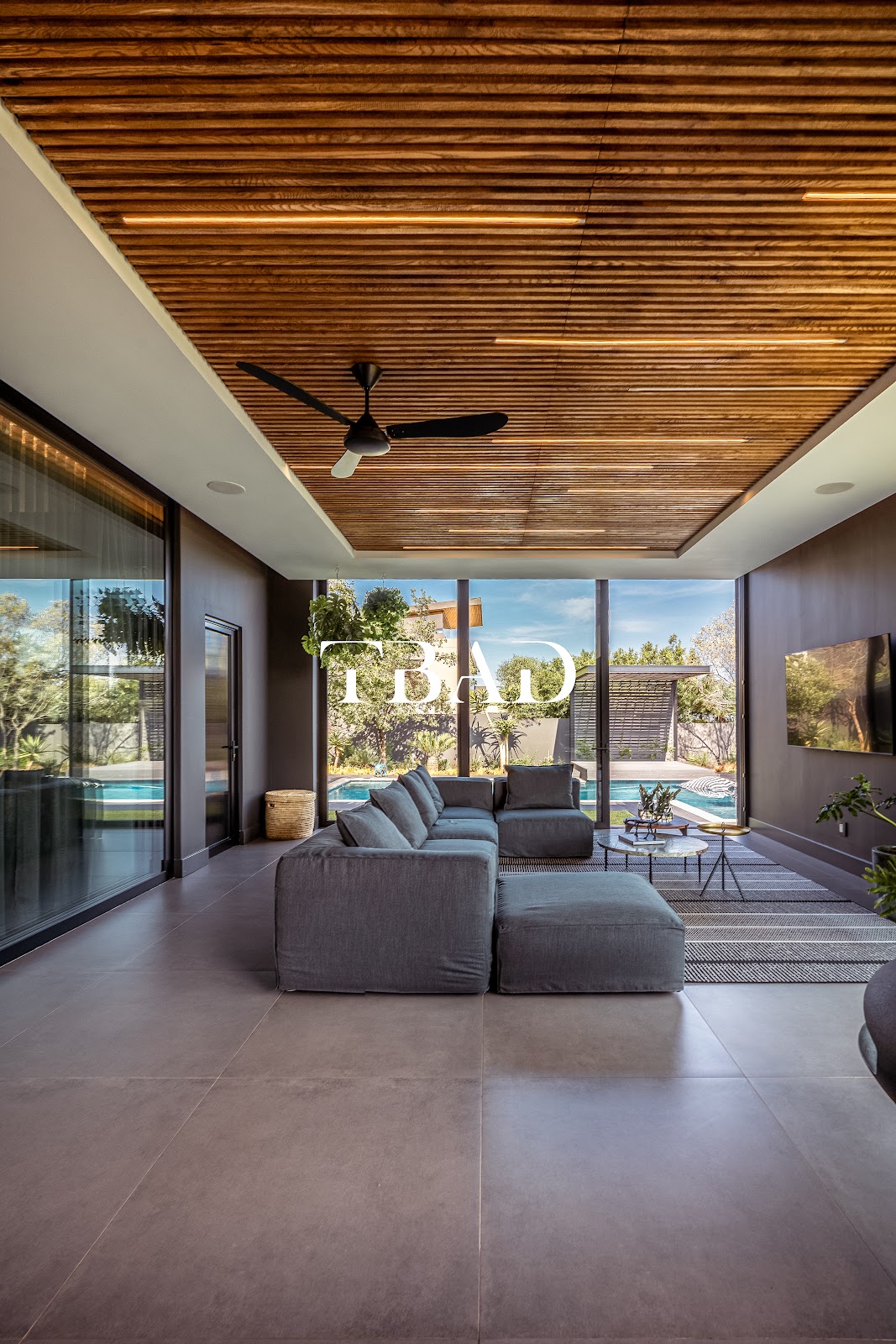
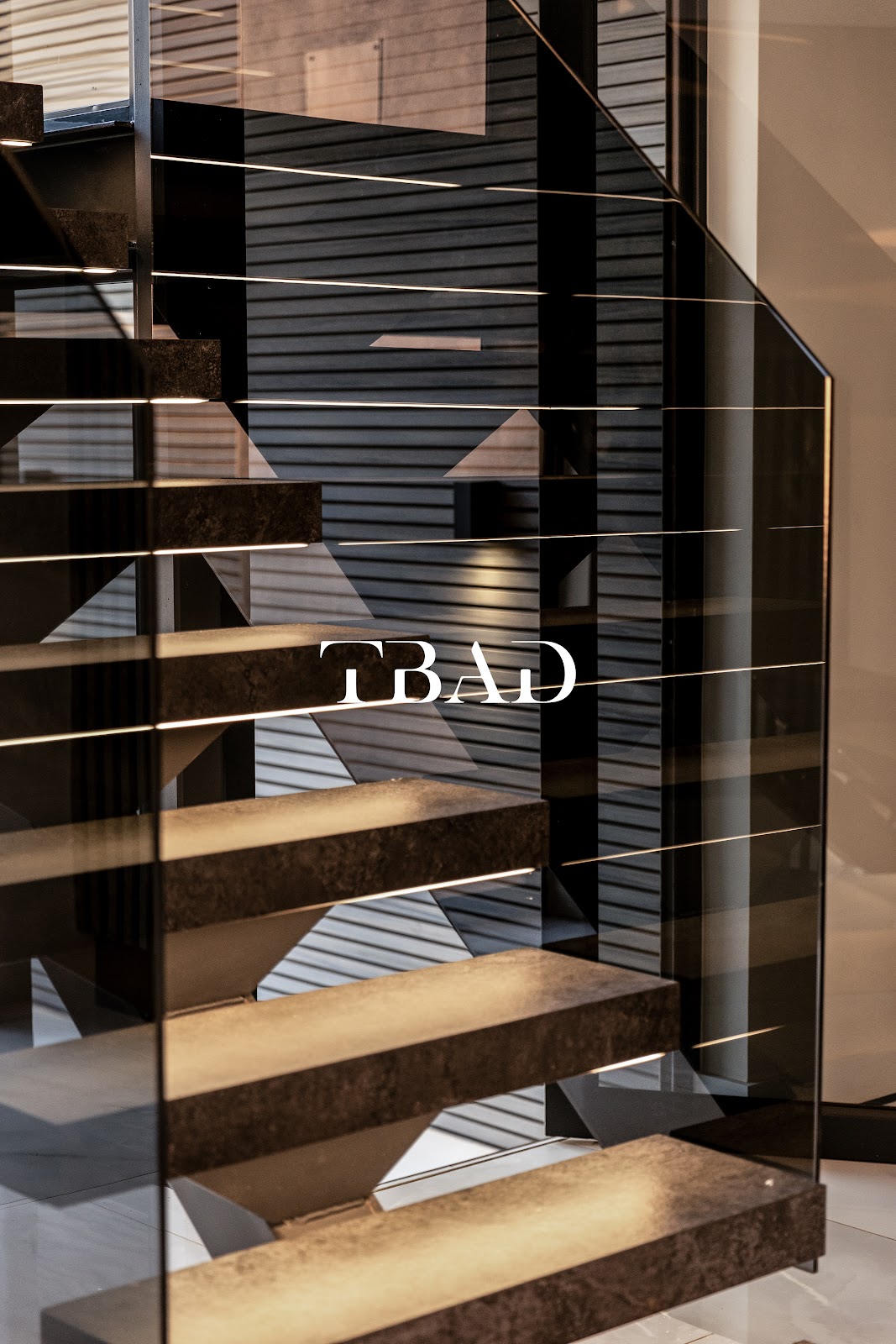
AMARA, photographed in the dry season
Clients tend to think about timing in terms of when they want to move in. We think about it in terms of when the concrete needs to be poured — and those two dates are usually eighteen to thirty-six months apart, with a lot riding on getting the sequence right.
Weather windows aren't the same everywhere. In Johannesburg, summer means daily thunderstorms that can shut a site down by early afternoon for months at a time — roof and waterproofing work wants to happen in the dry winter, not fight the rain. In Lagos and Lusaka, the wet season brings a different problem: access roads to remote sites can become unusable, and material deliveries that take two days in the dry season can take two weeks in the rains. None of this is exotic knowledge, but it gets ignored constantly by programmes built on a generic eighteen-month template instead of an actual regional calendar.
Design phase length is not wasted time. Clients occasionally push to compress design phase to get to site sooner. This is almost always a false economy. A rushed design phase produces a set of drawings full of unresolved decisions, which get resolved on-site instead — at a markup, on the contractor's schedule, not yours. A properly sequenced design phase (site analysis, concept, design development, technical documentation, tender) takes the time it takes, and that time is what protects the build phase from surprises.
Supply chains have seasons too. Imported materials — specific glazing systems, certain fittings — often have lead times measured in months, and those lead times can lengthen around global shipping peaks or local currency shifts. We build material procurement into the programme early, not as an afterthought once the site is already open and waiting.
The honest advice. If you're planning to start a project, the best time to have that first conversation with an architect is roughly two years before you actually want to be living in the finished space — not because the design takes two years of active work, but because getting the sequencing right, including the parts you can't rush, takes that long done properly.
Starting to think about a project timeline? We'd welcome an early conversation — the earlier, generally, the better. Visit tbad.co.za.
Gallery
Subscribe to the Journal
Architecture insights, design stories, and TBAD updates — directly to your inbox.